
In every generation, humanity wrestles with the same question: What is our destiny?
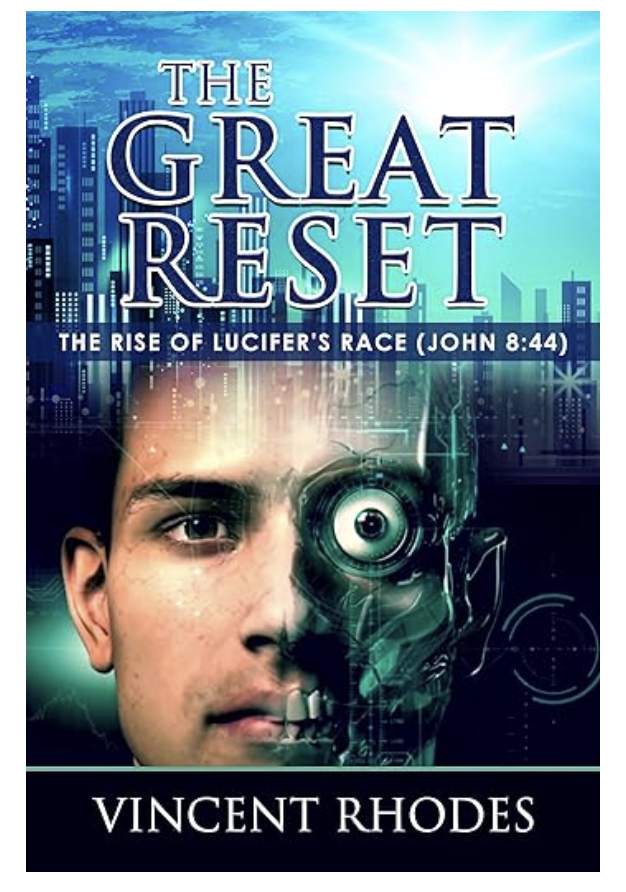
In our modern age, one influential answer comes not from Scripture, but from technology. It is called transhumanism—a movement that claims humanity is approaching the final stage of its evolution through science, artificial intelligence, and biological enhancement.
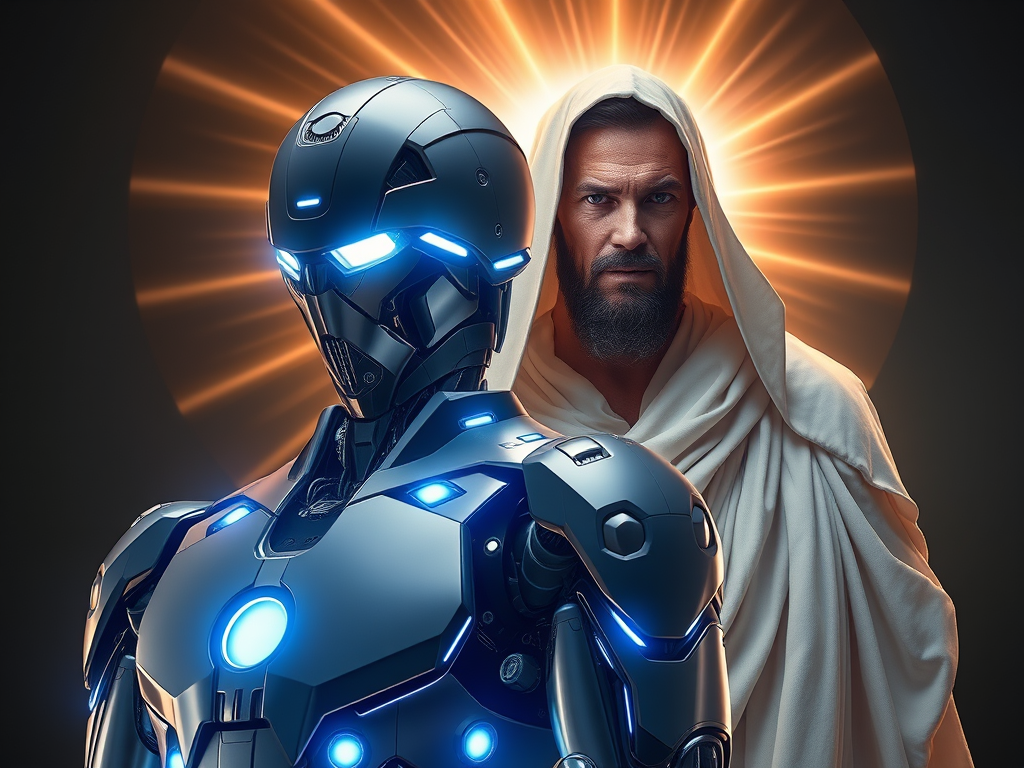
Yet this vision directly competes with the Christian hope: not transformation through machines, but redemption through Christ, resurrection, and the coming Kingdom of God.
These are not complementary paths. They are rival gospels.
What Is Transhumanism?

Transhumanism is the belief that humans can transcend biological limitations—aging, disease, and even death—through technology. Its aspirations include:
- Genetic engineering and DNA manipulation
- Human-AI integration and brain-computer interfaces
- Cybernetic bodies and synthetic organs
- Digital consciousness and artificial immortality
In this worldview, the human body is seen as outdated hardware, something to be upgraded or replaced.
Scripture, however, affirms the body as God’s intentional design:
“I will praise thee; for I am fearfully and wonderfully made.”
—Psalm 139:14
Transhumanism does not seek to restore what is broken—it seeks to redesign what God created.
The Final Step in Evolution—or the Oldest Lie?

Many transhumanists describe their vision as the next stage of human evolution. But biblically, this idea echoes humanity’s oldest temptation:
“Ye shall be as gods.”
—Genesis 3:5
Rather than trusting God’s plan, transhumanism places faith in human intellect and innovation. It assumes:
- Humanity can define its own purpose
- Death is a technical problem, not a spiritual one
- Knowledge, not righteousness, will save us
Scripture offers a sobering warning:
“Professing themselves to be wise, they became fools.”
—Romans 1:22
Evolution without God does not elevate humanity—it removes its moral anchor.
Christianity’s Diagnosis: The Problem Is Sin, Not Biology
Christianity does not deny suffering, decay, or death—but it identifies the true cause:
“Wherefore, as by one man sin entered into the world, and death by sin.”
—Romans 5:12
Technology cannot fix sin. Machines cannot redeem the soul.
That is why the gospel does not promise upgrades—it promises new life:
“Therefore if any man be in Christ, he is a new creature.”
—2 Corinthians 5:17
Resurrection vs. Replacement
Transhumanism seeks to escape the body. Christianity promises the resurrection of the body.
“The hour is coming, in the which all that are in the graves shall hear his voice, and shall come forth.”
—John 5:28–29
The Christian hope is not digital survival or synthetic immortality, but a glorified body patterned after Christ’s resurrection:
“Who shall change our vile body, that it may be fashioned like unto his glorious body.”
—Philippians 3:21
This transformation is not man-made. It is an act of God.
Two Kingdoms, Two Destinies
| Transhumanism | Kingdom of Christ |
|---|---|
| Humanity exalts itself | Christ is exalted |
| Immortality through technology | Eternal life through resurrection |
| Control over creation | Stewardship under the Creator |
| Escape death artificially | Death defeated eternally |
| Power without holiness | Power perfected in righteousness |
Jesus made the contrast clear:
“The kingdom of God cometh not with observation… for, behold, the kingdom of God is within you.”
—Luke 17:20–21
The Risk of a Post-Human World
Without God as the source of value, human worth becomes conditional—based on intelligence, enhancement, or access to technology.
Scripture warns of systems that commodify humanity:
“They that buy and sell… the souls of men.”
—Revelation 18:13
A world governed by technological supremacy rather than moral truth risks becoming efficient—but inhumane.
The Coming Kingdom of Christ
The Bible does not end with humanity transcending creation, but with God restoring it:
“Behold, the tabernacle of God is with men, and he will dwell with them.”
—Revelation 21:3
This is not humanity ascending to godhood—but God dwelling with redeemed humanity.
“Behold, I make all things new.”
—Revelation 21:5
Conclusion: Which Future Will We Trust?
Transhumanism promises eternity without repentance, power without submission, and life without God. Christianity offers something far greater: forgiveness, resurrection, and eternal life rooted in truth.
“For the wages of sin is death; but the gift of God is eternal life through Jesus Christ our Lord.”
—Romans 6:23
One vision ends with man reshaped by machines.
The other ends with man restored in the image of Christ.
The future of humanity will not be determined by technology—but by who reigns as King.






Leave a comment